Vann Wellmon
Ultralight Project - Trudging Along
My last update for this project was ~two months ago, and I figured it was time for the void to get a brief update on things. Fundamentally, I’ve been grappling with the transition point from my 1-D sizing analysis to detailed design work. Unsurprisingly, it’s been a very difficult thing to pin down and an easy part of the process to procrastinate on.
Complaining aside, I have spent a decent amount of time considering next steps and running design trades. I’d like to share some of those core decisions, why I made them, and how they impact the rest of the project.
Decisions Made
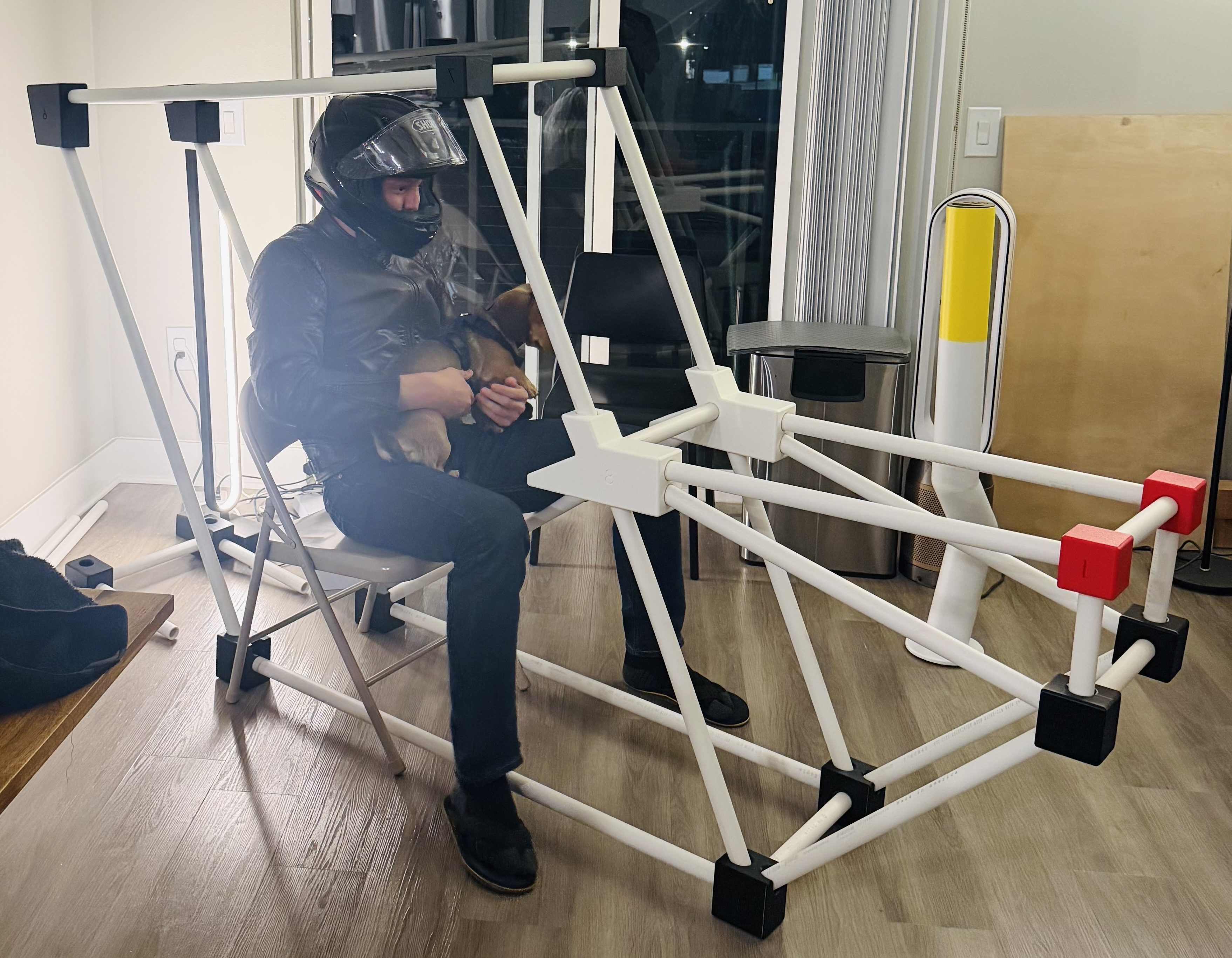
I ended my last post—and my last serious block of effort—by calculating a thrust requirement for the ultralight. These values were internally consistent across different approaches, as well as with comparable values I could find online. I had started a BLDC design process, but I quit for a few reasons. Firstly, I was doing the BLDC in-house since I thought I wouldn’t be able to make significant frame or wing progress given my apartment size, but I took some measurements and realized I could wheel everything out.
The biggest problem I encountered, however, was an under-constrained design space. I didn’t have a prop, I didn’t have a battery, etc. I “fixed” this problem by deciding to copy a motor I found online. After about two days of reading BLDC design textbooks and going through some initial sizing, I finally realized how absurd it was to make a shittier, more expensive version of this motor when I could just buy it and save myself a few months. I also plan to build the pack myself, which I think is plenty of propulsion scope for this project. (As an aside: I really want to get into BLDC motor and controller design at some point—now is a bad time.)
Another early decision I’m rolling back is the control scheme. Long ago, I was planning to go with two-axis control (rudder and elevator only) to save weight and complexity, and to allow for easier trailerability. A few months back, I decided to add ailerons for better handling, particularly during landing since my pad is very narrow. While I think it’s well-advised to have ailerons on an aircraft, the complexity they bring to this project is just not what I’m looking for.
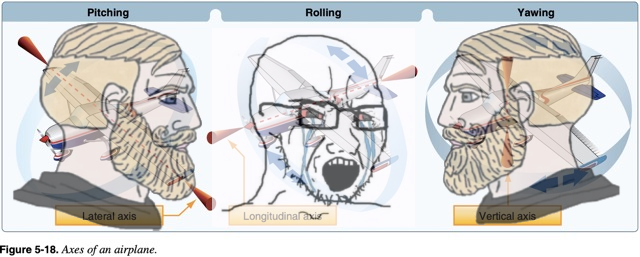
It’s important, when making a bad choice, to be clear about why you’re making that choice. For me, this ultralight is going to fly 1–2 times and then be retired. The hard requirements amount to: take off, don’t be illegal (at least visibly), and don’t die. I’m confident I can satisfy these with two-axis control.
Lastly, I’ve made some semi-final decisions (as with all personal projects) on the structures—in particular, the wing, frame, and empennage design. These will all probably get their own posts as I fabricate them (including fabricated, backdated analysis).
Current Motion
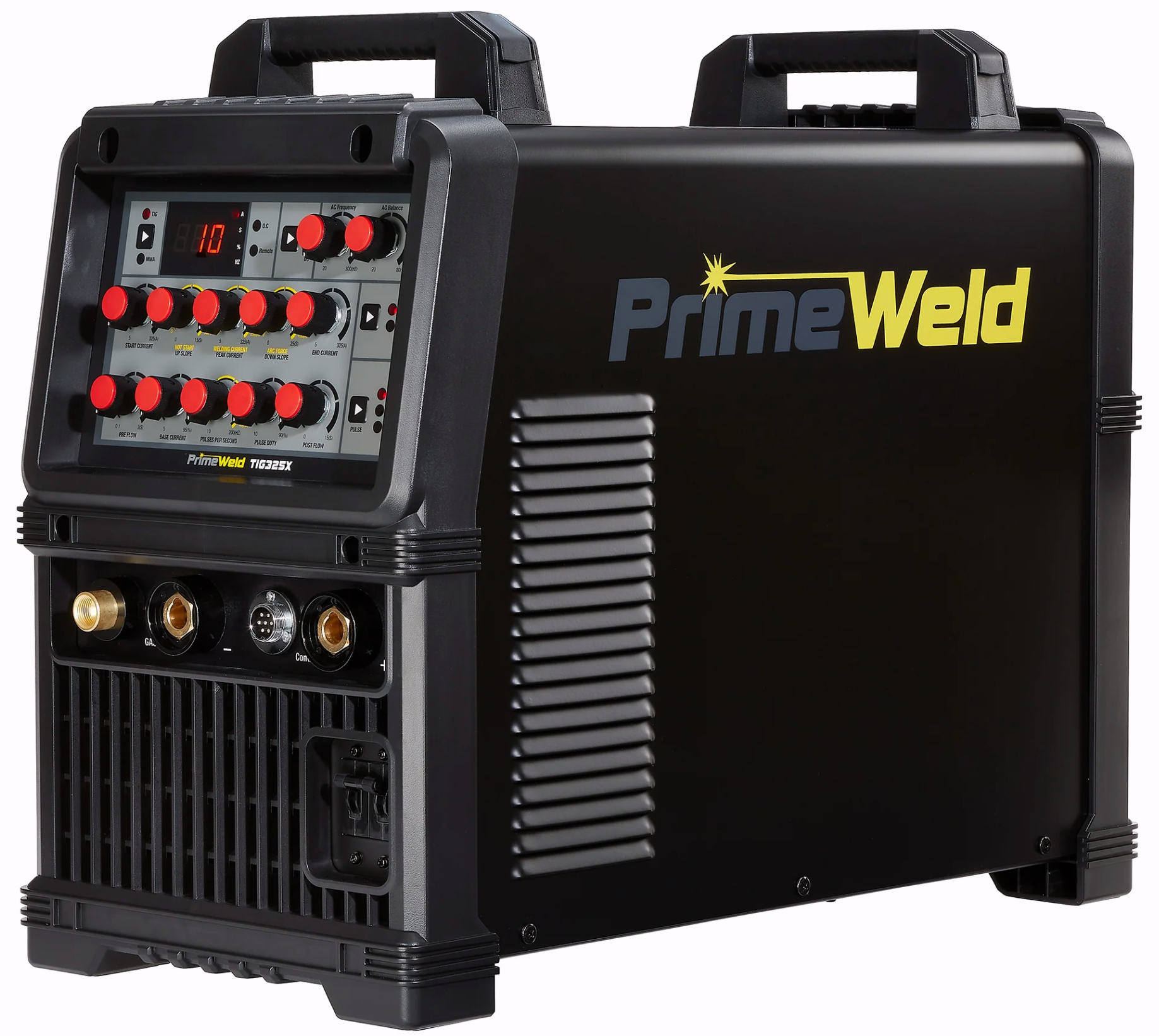
These are exciting times in the workshop/living room! I’ve finally bought a TIG welder so I can fabricate the frame. That said, I’m extremely new to TIG and want to practice as well as take a class. That should give me time in the interim to design the frame and the rest of the primary and secondary structure (not sure if this is airplane terminology, but it is my terminology).